Volunteering with senior citizens: why it helps both sides
Research shows volunteering is linked to better wellbeing, especially later in life. How to volunteer with older people, and what you gain in return.
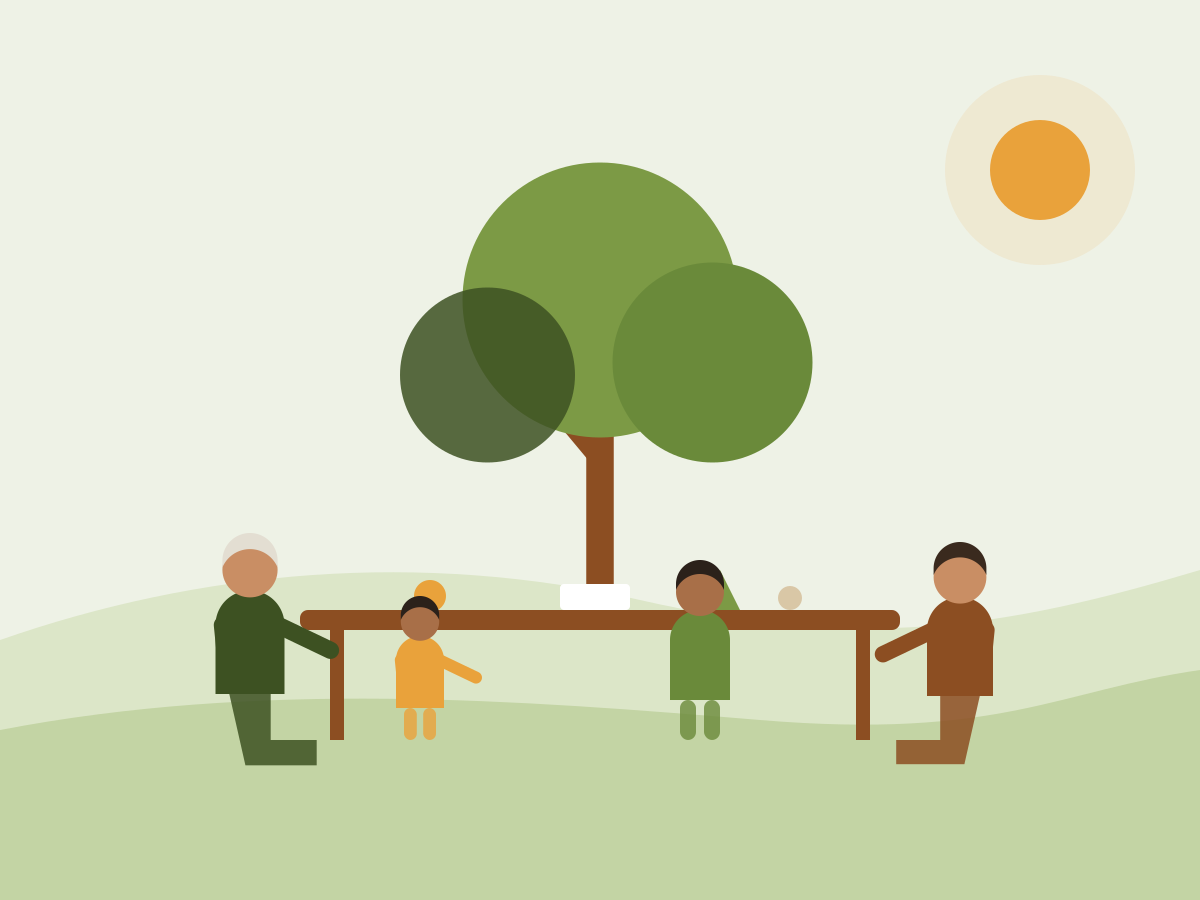
Volunteering with older people is often framed as charity. The research tells a richer story: volunteers benefit too, and some of the biggest gains go to older volunteers themselves.
What the research says
A major review in Psychological Bulletin examined 73 studies of formal volunteering among older adults. The most consistent findings were that volunteering is associated with fewer symptoms of depression, better self-reported health, fewer functional limitations and lower mortality.
Longitudinal evidence from England adds an important detail. A study of 3,740 people over state pension age in the English Longitudinal Study of Ageing found that the wellbeing benefits of volunteering stopped when volunteering stopped, which suggests the link is not only coincidence. The study also looked at whether volunteers felt appreciated for their efforts.
More recent research from Hong Kong, involving 457 volunteers aged 55 and above, found that meaningful roles such as companionship can create especially rewarding volunteering experiences.
Every age and every individual has something valuable to contribute.
What volunteers gain
- Purpose. A regular commitment that matters to someone else.
- Perspective. Older people carry decades of experience, humour and resilience.
- Skills. Communication, patience, event planning and facilitation.
- Belonging. Volunteering also connects you to a community.
Ways to volunteer with older people
Companionship
Spending time with someone: conversation, reading together, a walk or a cup of tea. It sounds simple and it is one of the most valued roles.
Events and programmes
Helping run workshops, festivals, retreats and learning sessions. This suits people who like to organise and to be busy.
Professional skills
Education, wellness, healthcare, technology, administration, design or outreach. A few hours of skilled help can move a young organisation forward by months.
Mentoring and facilitating
Leading a class, sharing a craft or guiding a group. Many older people make excellent facilitators, and many young people make excellent students.
Tips for a good start
- Be honest about how much time you can give, and keep your commitment.
- Listen more than you speak. Ask about people’s lives, not only their needs.
- Respect independence. Offer help rather than taking over.
- Follow the organisation’s safeguarding and privacy guidance.
- Bring the next generation. Children and teenagers often connect with elders more easily than adults expect.
Volunteer with Cozit Foundation
Cozit Foundation welcomes volunteers who can offer companionship to senior citizens, help with events, retreats, workshops and training programmes, or contribute professional skills. You can also become a mentor, facilitator or community champion. Your time, skills and compassion help bring the vision to life.
Common questions
Is volunteering good for older people’s health?
A review of 73 studies found volunteering among older adults is associated with fewer depressive symptoms, better self-reported health, fewer functional limitations and lower mortality.
How can I volunteer with senior citizens?
Common roles include companionship, helping with events and programmes, contributing professional skills, and mentoring or facilitating groups.
Do I need special qualifications to volunteer with older people?
Most companionship and event roles need no qualifications, only reliability, patience and respect. Organisations will share their safeguarding guidance.
Sources
- Anderson et al.: The benefits associated with volunteering among seniors, Psychological Bulletin (2014)
- Matthews and Nazroo: Volunteering and well-being after state pension age, ELSA (2021)
- Matthews and Nazroo: full text (PMC)
- Lu: Rewarding volunteering and psychological meaningfulness boost late-life well-being